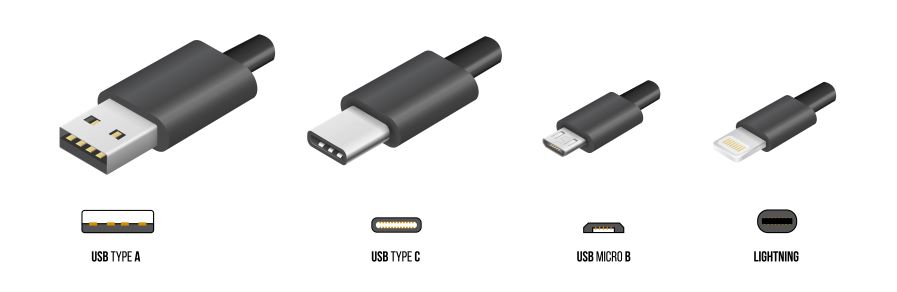
The Evolution of USB-C: From Concept to Essential Connectivity
The journey of USB-C began with a vision for universal connectivity, setting out to create a versatile standard that could simplify the user experience. Introduced in 2014 by the USB Implementers Forum, USB-C, or USB Type-C, quickly gained attention for its reversible design and ability to transmit both data and power through a single cable. This innovation set the stage for a new era of essential connectivity, as device manufacturers recognized the potential for a streamlined approach to charging and data transfer.
Over the years, USB-C has evolved from a mere concept into a foundational element of modern technology, becoming instrumental in powering a vast array of devices. Its adoption has expanded from smartphones and laptops to peripherals such as monitors, docks, and even audio devices. As the industry continues to push for unified standards, USB-C has not only optimized performance but has also paved the way for future innovations, making it an indispensable component in our everyday lives.
If you're looking to enhance your connectivity options, check out the Top 10 USB C Extension Cables available on the market today. These cables offer extended reach while maintaining data transfer speed and charging capabilities. Whether for home or office use, you'll find a variety of lengths and styles to suit your needs.
10 Reasons Why USB-C is Revolutionizing Our Digital Lives
The advent of USB-C technology has significantly transformed our digital experiences, offering unparalleled convenience and versatility. Here are 10 reasons why USB-C is revolutionizing our digital lives:
- Universal Compatibility: Unlike its predecessors, USB-C cables and ports are compatible with a wide range of devices including smartphones, laptops, tablets, and peripherals, making them a universal solution for charging and data transfer.
- Fast Data Transfer: With speeds reaching up to 10 Gbps, USB-C allows users to transfer large files in seconds, streamlining workflows and reducing downtime.
- Power Delivery: USB-C supports up to 100 watts of power, enabling fast charging for laptops and other high-powered devices, which can significantly enhance productivity.
- Reversible Design: Gone are the days of fumbling with cables; the reversible design of USB-C connectors means you can plug them in any way, eliminating frustration.
- Support for Multiple Protocols: USB-C is not just for data and power; it can also support video signals, making it possible to connect to monitors and displays without the need for separate cables.
- Simplified Connectivity: With USB-C, users can replace multiple types of cords with one universal solution, reducing clutter and enhancing organization.
- Future-Proofing: As more devices adopt the USB-C standard, investing in this technology is a step towards future-proofing your tech setup.
- Eco-Friendly Options: Many USB-C devices are designed with sustainability in mind, reducing the electronic waste associated with outdated cables and connectors.
- Enhanced Durability: USB-C connectors are built to withstand everyday wear and tear, offering enhanced durability compared to older USB types.
- Widespread Adoption: Major tech companies are increasingly adopting USB-C as their standard connector, ensuring that USB-C is here to stay and will continue to shape our digital landscape.
Is USB-C the Future of Charging? Exploring Compatibility and Adoption
As the technological landscape continues to shift, USB-C has emerged as a significant player in the realm of charging solutions. Unlike its predecessors, USB-C offers a universal interface that supports a variety of devices, from smartphones and laptops to tablets and peripherals. One of its key advantages lies in its ability to deliver power, data, and video through a single cable, making it an all-in-one solution for modern users. As more manufacturers adopt this technology, we are witnessing a gradual phase-out of older connections like USB-A and Micro-USB, leading many to wonder: is USB-C genuinely the future of charging?
However, the journey towards widespread USB-C adoption is not without its challenges. Compatibility remains a crucial concern, particularly for consumers who may possess a mix of older and newer devices. Despite its growing presence, many devices still rely on proprietary charging solutions, complicating the transition for users. Moreover, manufacturers must also ensure that the USB-C specifications are implemented correctly to guard against issues such as power delivery failure or overheating. As companies strive to standardize this technology and enhance compatibility, embracing USB-C might just signal a revolution in how we power our devices, streamlining our charging habits for years to come.